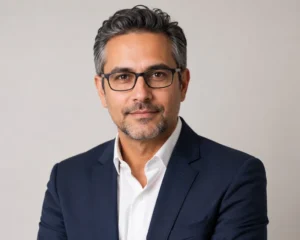

Shohei Ohtani’s net worth is estimated at $250 million as of August 2026, according to Celebrity Net Worth’s latest update, a sharp jump from the roughly $150 million figure most outlets cited earlier this year. That climb reflects two forces working at once: a growing pile of vested but unpaid deferred salary from his record Dodgers contract, and an endorsement business that now outearns his actual baseball paycheck by more than 60 times over. Ohtani takes home just $2 million a year in cash salary from the Dodgers. Nearly everything else in his fortune comes from sponsorship deals, career earnings banked before the deferral kicked in, and real estate.
How Much Is Shohei Ohtani Worth Right Now?
Net worth estimates for active athletes are never exact, and Ohtani’s case is more complicated than most. His $700 million Dodgers contract technically makes him one of the highest paid players in sports history, but 97 percent of that money will not reach his bank account until 2034 at the earliest. Some trackers count only cash already earned and liquid assets, which produces lower figures closer to $150 million. Others, including Celebrity Net Worth, now factor in the present value of his deferred compensation once it has been earned for a completed season, along with his endorsement income and property holdings. That approach pushes the number up to $250 million.
Neither method is wrong. They are simply measuring different things: money already in hand versus money he is legally owed but has not yet collected. Expect the gap between these estimates to keep narrowing as more of his deferred salary technically vests each season, even though the actual cash payments will not begin until 2034.
Inside the $700 Million Dodgers Contract
Ohtani signed his 10 year deal with the Los Angeles Dodgers on December 9, 2023, and it remains one of the strangest pay structures in professional sports. The headline number is $700 million, but Ohtani only collects $2 million per season during the 10 years he actually plays, for a total of $20 million in active salary. The remaining $680 million is deferred and will be paid out in $68 million installments every year from 2034 through 2043, long after he has likely retired.
Ohtani reportedly proposed the deferral structure himself so the Dodgers would have more payroll flexibility to build a championship roster around him. The plan worked. The team won back to back World Series titles in 2024 and 2025. Because the deferred money carries no interest and will not arrive for years, its present value at signing was closer to $460 million rather than the full $680 million face value. Major League Baseball still requires the Dodgers to set aside funds tied to each completed season, which is part of why Ohtani’s net worth estimate keeps rising even though his paycheck has stayed flat. The contract is fully guaranteed and remains the second largest in sports history, behind only Juan Soto’s 15 year, $765 million deal with the New York Mets. The deferred payout structure echoes, on a smaller scale, the delayed franchise bonuses Tom Cruise collects once a film crosses box office thresholds.
What Ohtani Earned Before the Dodgers Deal
Ohtani’s MLB earnings were modest for most of his career with the Los Angeles Angels. He signed for roughly $2.3 million as an international amateur in 2017 and earned $545,000 in his rookie season. His salary crept up slowly over the following years, reaching $5.5 million in 2022. Ahead of the 2023 season, he agreed to a one year, $30 million contract to avoid arbitration, a record at the time for any arbitration eligible player. Altogether, his salary with the Angels totaled just over $42 million across six seasons, a figure that looks small next to his current earning power but reflects a very different pay scale before free agency changed everything.

Endorsement Income Is the Real Driver of His Wealth
By 2026, Ohtani was earning an estimated $125 million per year from endorsements and off field ventures alone, a figure that dwarfs his Dodgers salary many times over. His portfolio includes more than 20 brand partners split roughly between companies based in the United States and Japan, spanning footwear, apparel, financial services, and consumer products. New Balance is his most significant partnership, having built a signature shoe line and apparel collection around him rather than treating him as a standard spokesperson. Other confirmed partners have included Kowa, Kose, Seiko, Ito En, Beats, Secom, and Epic Games, which made him the first MLB player featured in Fortnite.
The commercial impact reaches well beyond his personal paychecks. Sports business analysts estimated Ohtani generated roughly $70 million in incremental sponsorship revenue for the Dodgers organization during his first season alone, driven largely by a surge of Japanese corporate interest. The Dodgers became the first MLB franchise to top $1 billion in annual revenue not long after he joined, a shift widely credited to the attention, tourism, and merchandise sales tied to his presence.
Real Estate and Other Assets
Ohtani made his first major U.S. real estate purchase in May 2024, paying $7.85 million for a mansion in La Cañada Flintridge, a Los Angeles suburb. The roughly 7,300 square foot home includes five bedrooms, a movie theater, a swimming pool, a basketball court, a gym, and a sauna. He bought it from comedian Adam Carolla, who had originally listed the property for $9 million a year earlier. Japanese media coverage of the purchase was intense enough that it reportedly compromised his privacy, and some reports suggest he may sell the home without ever having lived in it full time.

The Interpreter Fraud Case and Its Financial Fallout
In 2024, Ohtani became the victim of a significant financial crime involving his longtime interpreter, Ippei Mizuhara. Mizuhara gained access to a bank account Ohtani had opened after moving to the United States and used it to transfer nearly $17 million to cover his own gambling debts with an illegal bookmaker, all without Ohtani’s knowledge. Federal investigators cleared Ohtani of any involvement in the underlying gambling activity. Mizuhara pleaded guilty to bank fraud and filing a false tax return, and he was sentenced to 57 months in federal prison in February 2025. He was also ordered to pay Ohtani nearly $17 million in restitution. Given his overall income level, the theft did not permanently dent Ohtani’s net worth, but it remains one of the largest individual fraud cases in sports history. Scottie Pippen lost more than $20 million in a comparable betrayal, when his own financial advisor forged his signature on fraudulent loans.
How Ohtani’s Wealth Compares to Other Top Athletes
Ohtani’s financial profile is unusual even by superstar standards. Most of baseball’s highest paid players, including Juan Soto, earn the bulk of their money through active salary and signing bonuses rather than endorsements. Ohtani flips that formula entirely, with off field income outpacing his on field pay by a wide margin. That pattern shows up more often in sports like basketball, tennis, or soccer, where global stars such as Cristiano Ronaldo or LeBron James have long earned more from sponsorships than salary. Ohtani is essentially the first baseball player to operate at that scale, which is part of why his finances draw so much outside analysis compared to teammates earning similar or even larger active salaries. His deferred contract structure also has no real precedent among his peers, making direct comparisons difficult even against other $500 million plus deals.