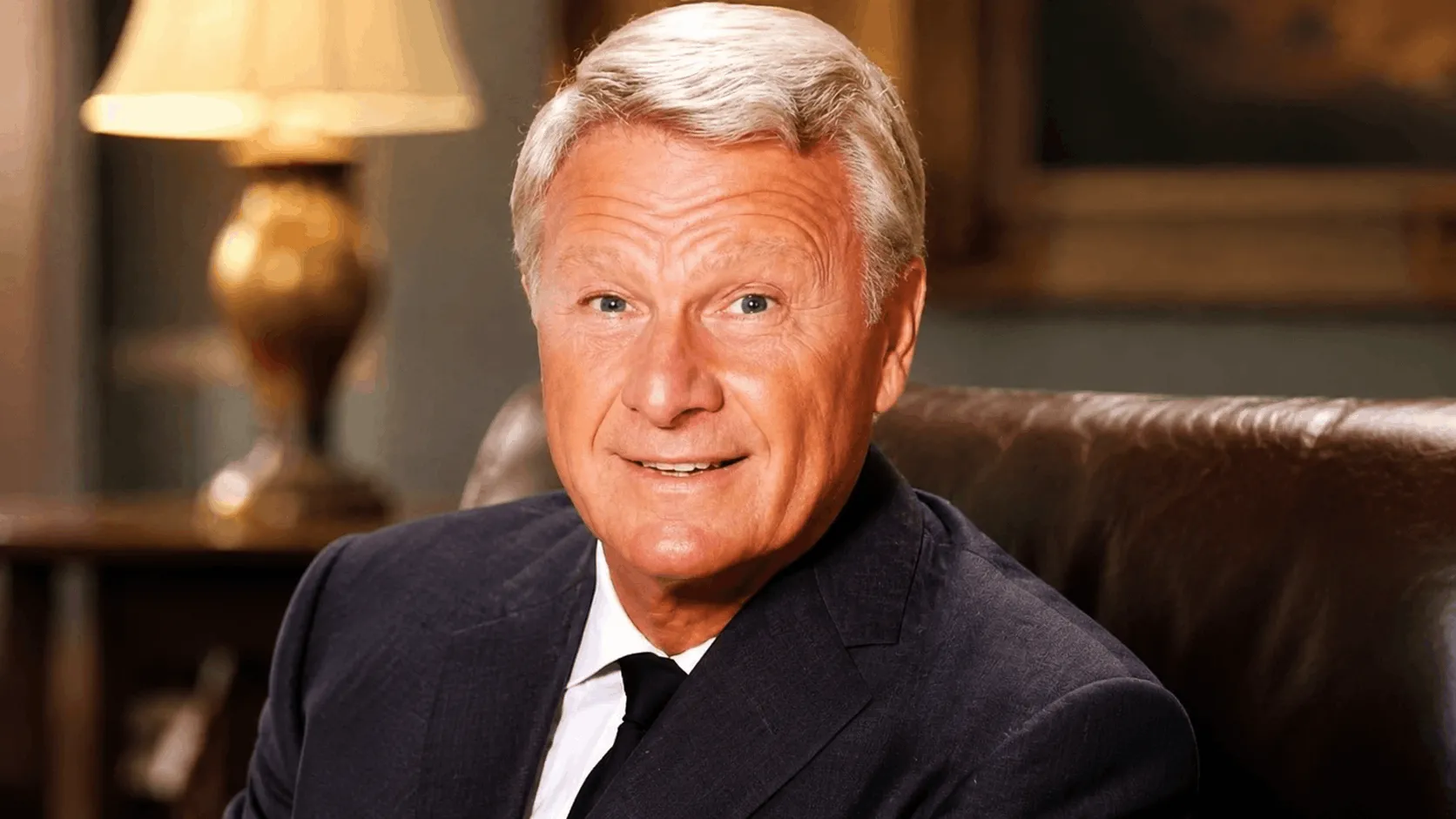
Eddie Albert built his wealth over a seven-decade career in film, television, and theater, though no verified, itemized figure for his estate has ever been published by a named financial source. Various biography sites place informal estimates anywhere from under one million dollars to thirty million dollars, a spread wide enough that none of those numbers should be treated as fact. What is documented, through outlets such as the Television Academy and contemporary obituaries, is a long, steady list of film, TV, and stage credits that funded his lifestyle for more than fifty years.
Quick Facts
| Detail | Information |
| Full Name | Edward Albert Heimberger |
| Born | April 22, 1906, Rock Island, Illinois |
| Died | May 26, 2005, Pacific Palisades, California |
| Profession | Actor, singer, producer, environmental activist |
| Known For | Green Acres, Roman Holiday, The Heartbreak Kid, The Longest Yard |
| Estimated Net Worth | Unconfirmed, cited informally between under $1 million and $30 million |
| Primary Income Source | Film, television, and stage acting royalties and residuals |
Early Life and Background
Albert grew up in Minneapolis after his family moved there from Rock Island when he was an infant. As a teenager he attended Central High School, where he joined the drama club alongside a classmate named Harriette Lake, who later became well known under her own stage name, Ann Sothern. The two graduated together in 1926, and that early stage exposure carried Albert straight into the University of Minnesota, where he studied business rather than acting.

The 1929 stock market crash left him without steady work soon after graduation. He dropped his surname professionally because radio announcers kept mispronouncing “Heimberger” as “Hamburger.” Before acting took hold as a full-time living, he worked as an insurance salesman, a nightclub singer, and a trapeze performer with a traveling circus in Mexico, where he also did undercover work photographing German U-boats in local harbors for U.S. Army intelligence. Those early jobs gave him almost no savings, so everything he later accumulated came from the entertainment career that followed.
Career and Income Breakdown
Albert made his Broadway debut in 1935, then found real stage success a year later in Brother Rat, a role that led directly to a Warner Bros. film contract and his 1938 movie debut in the same title. He worked steadily in film through the early 1940s before enlisting in the U.S. Navy during World War II. At the 1943 Battle of Tarawa, he commanded a landing craft under heavy machine-gun fire and rescued dozens of stranded Marines, with different accounts putting the number he personally pulled from the water near 47 and the total he helped bring to safety closer to 77. He received the Bronze Star with Combat “V” for that action.
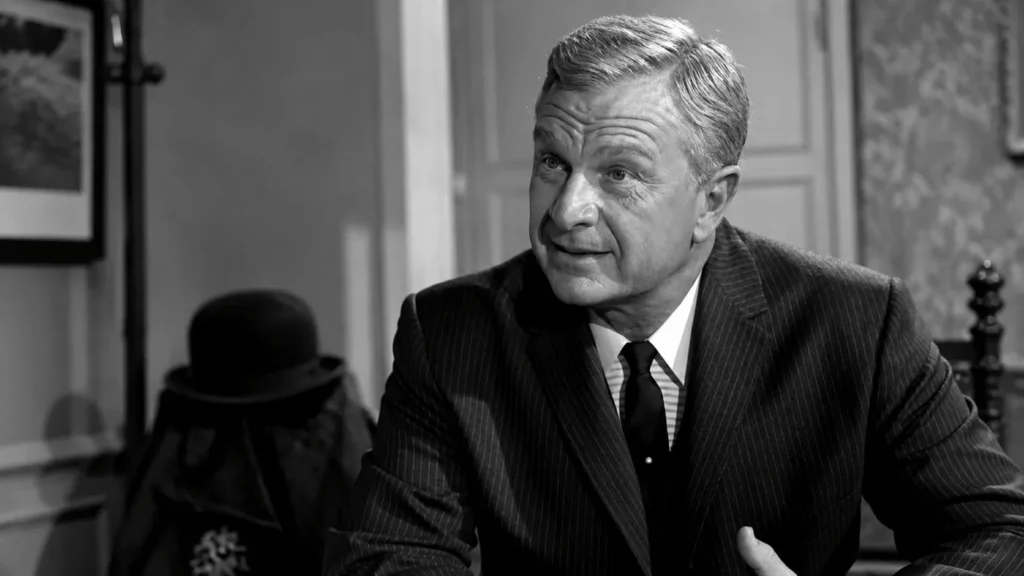
After the war, Albert returned to acting and built one of the more durable character-actor careers of his generation. He earned Academy Award nominations for Best Supporting Actor for Roman Holiday in 1954 and The Heartbreak Kid in 1973, alongside a Golden Globe nomination for The Longest Yard and a BAFTA nomination. Those film credits carried steady contract pay through the 1950s and 1960s, the period when his income base was likely built.
Television is where Albert’s income likely grew most. He starred as Oliver Wendell Douglas on Green Acres from 1965 to 1971, a role that ran for 170 episodes and came with a lead-actor salary plus syndication residuals that continued paying out for decades after the show ended. [internal link opportunity: related article on Green Acres cast salaries and syndication deals] He followed that with the lead role in the 1970s crime drama Switch and a recurring part on Falcon Crest in the 1980s, both of which added further union-scale television income into his later years.
Albert also ran his own production company, Eddie Albert Productions, founded in 1946 to make educational and industrial films. That business gave him a second income stream separate from acting fees, something many of his peers who worked only in front of the camera did not have.
Awards and Recognition
Across his career, Albert collected two wins and seven nominations from major industry bodies, according to his official awards record. Besides his two Academy Award nominations, he was nominated for a BAFTA Film Award for Best Foreign Actor for Roman Holiday and for Golden Globes for both The Longest Yard and other supporting work. He also picked up recognition from the National Society of Film Critics and the New York Film Critics Circle, plus a later career-tribute win at the TV Land Awards.
His star on the Hollywood Walk of Fame sits at 6441 Hollywood Boulevard, a permanent marker of his television and film work that predates most of his later stage and screen credits. None of these honors came with disclosed prize money, so they affected his income only indirectly, through the higher fees and steadier casting that industry recognition tends to bring.
What His Net Worth Actually Was
No court-filed estate figure, obituary financial disclosure, or named financial publication has ever confirmed a specific dollar amount for Albert’s net worth at the time of his 2005 death. Informal biography and fan-wiki sites that cite figures such as five million, ten million, twenty million, or thirty million dollars do not name a verifiable source for those numbers, and the figures contradict each other by a wide margin.
Given that pattern, the honest answer is that Albert’s net worth is unconfirmed rather than a fixed number worth repeating as fact. What can be stated with confidence is the shape of his income: five decades of paid film and television work, syndication residuals from a hit sitcom, stage income from Broadway runs including The Seven Year Itch and The Music Man, and revenue from his own production company. Together those sources point to a comfortable, upper-middle to high entertainment-industry income rather than a documented headline fortune.
Income Sources
Albert’s income came from several distinct channels over his career. His acting fees from more than one hundred films provided his earliest and most consistent income, followed by union scale and later lead-actor pay for his television work on Green Acres and Switch. Broadway and touring stage runs added theater income across multiple decades, and Eddie Albert Productions gave him ownership income from educational film production rather than only acting wages. He also received residual payments from Green Acres reruns, a revenue stream that likely continued paying him well after the series ended in 1971.
Notable Assets
Albert lived for decades in a home on Amalfi Drive in Pacific Palisades, California, where he also kept a working vegetable garden that included tomatoes, corn, and root vegetables, reflecting the organic-farming interests he spoke about publicly throughout the 1970s. No independently sourced figures exist for the value of that property or for any other specific asset, such as vehicles or an art collection, so none are stated here as fact.
How He Compares to His Peers
Among character actors of his generation who combined steady film work with a hit television series, Albert’s career path resembles peers who built long-tail income from syndication rather than a single blockbuster payday. [internal link opportunity: related article on 1960s sitcom stars’ residual earnings] Unlike some contemporaries who left detailed estate records, Albert’s own finances were never made public in the same way, which is the main reason his net worth remains an estimate rather than a documented number.
Legacy Beyond the Numbers
Albert’s environmental activism, including speaking out against DDT and appearing at the first Earth Day rally at Stanford University in 1970, shaped his public identity as much as any role did. He continued acting into his eighties, appearing in projects through the early 1990s, which extended his earning years well past what most actors of his era managed. He died on May 26, 2005, at age 99, survived by two children.