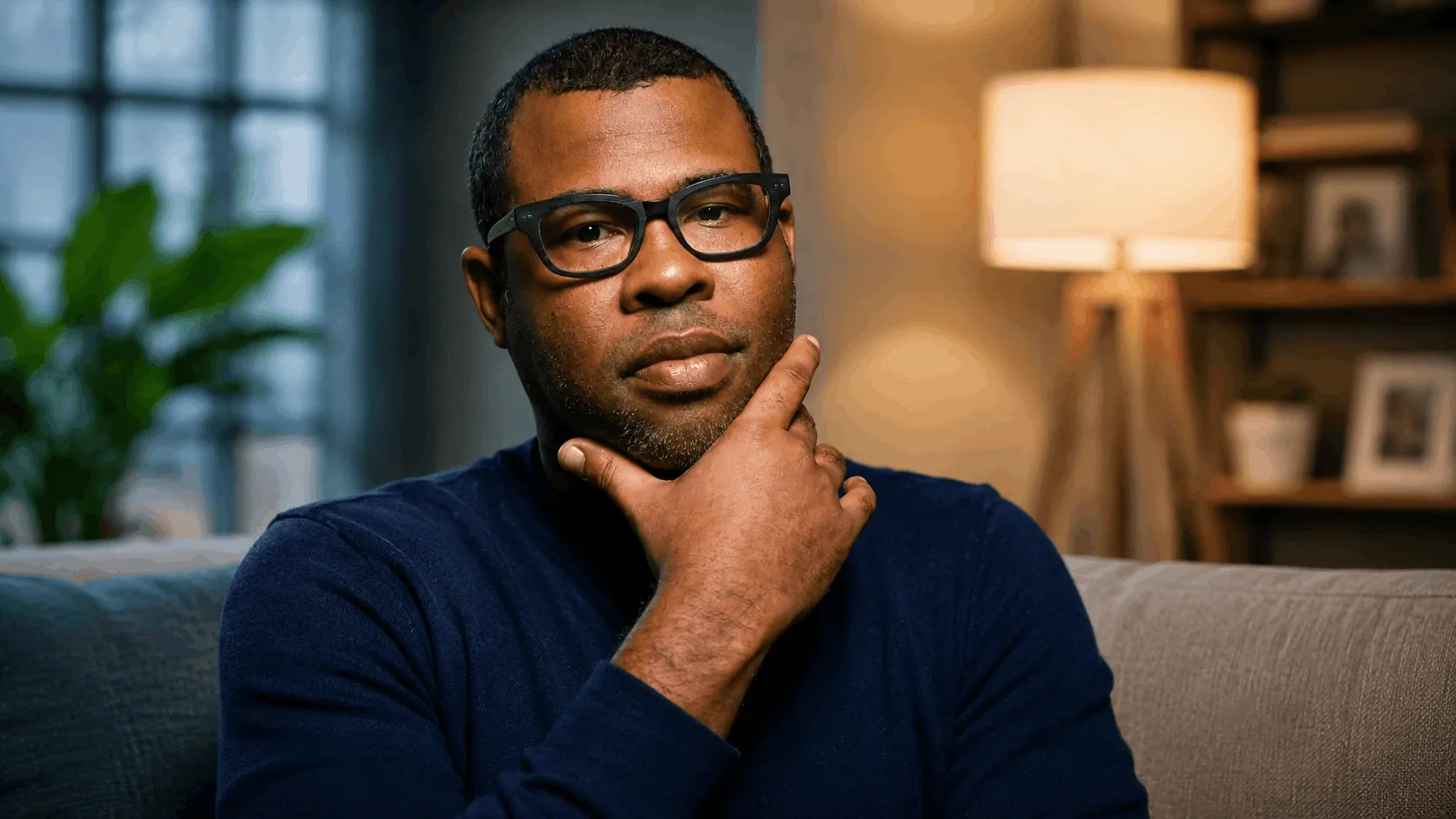
Jordan Peele is an actor, writer, director and comedian who has a net worth of 50 million dollars, a figure that multiple outlets still cite as his estimated worth as of 2026. He built that fortune first as a sketch comedy performer, then as the writer-director behind some of the last decade’s most profitable horror films, and the breakdown below covers exactly how each stage added to that number.
Quick Facts
| Detail | Information |
| Full Name | Jordan Haworth Peele |
| Net Worth | $50 million |
| Born | February 21, 1979, in New York City |
| Profession | Actor, comedian, writer, director, producer |
| Primary Income Source | Film directing, production, comedy |
| Production Company | Monkeypaw Productions |
Jordan Peele is an actor, writer, director and comedian who has a net worth of 50 million dollars, a figure that multiple outlets still cite as his estimated worth as of 2026. He built that fortune first as a sketch comedy performer, then as the writer-director behind some of the last decade’s most profitable horror films.
Early Life and Background
Peele was born on February 21, 1979, in New York City, and was raised by his white mother, Lucinda Williams, on Manhattan’s Upper West Side. His African American father was largely absent from his life and died in 1999. Money was not a given in that household, which makes his later career pivots feel less like calculated moves and more like someone repeatedly betting on himself.
He graduated high school in 1997 and enrolled at Sarah Lawrence College, where he originally intended to study puppetry, but a comedy class changed his direction. He left school after two years to form a comedy duo with a classmate, a decision that traded a college degree for a shot at performing. That early gamble set the pattern for a career built on unexpected turns, the same instinct that later pushed him from sketch comedy into horror filmmaking.
Career and Income Breakdown
From Mad TV to Key and Peele
Peele hosted MTV’s Comedy Weekend in 2002, one year before he joined Fox’s sketch comedy show Mad TV as a cast member for its ninth season. He spent five seasons on the show, where he met fellow performer Keegan-Michael Key. Peele earned an Emmy nomination in 2008 for a parody song called Sad Fitty Cent, an early sign that the comedy work was starting to translate into industry recognition rather than just cult popularity.

Key and Peele aired 53 episodes over five seasons on Comedy Central, running from 2012 to 2015. The show built Peele’s name recognition well beyond comedy circles and gave him his first real production credits, laying the financial groundwork for what came next. During this period he also co-created the TBS comedy series The Last O.G. and the YouTube Premium series Weird City, expanding his income beyond a single show.
Get Out and the Directing Pivot
In 2017, Peele wrote and directed his debut feature Get Out on a budget of 4.5 million dollars, and the film grossed 255 million dollars worldwide, making him the first Black writer-director to earn over 100 million dollars at the box office with a debut feature. The film also earned him an Academy Award for Best Original Screenplay, making him the first Black writer to win in that category.
He followed it with Us in 2019, and the two films combined grossed more than 500 million dollars worldwide for Universal. His third horror feature, Nope, arrived in 2022, cementing his reputation as a filmmaker whose name alone could open a movie. That single project in 2017 changed his earning trajectory more than a decade of sketch comedy had, shifting him from a well-paid television performer into one of the industry’s most bankable writer-directors.
Monkeypaw Productions and the Universal Deal
Peele founded Monkeypaw Productions on January 31, 2012, based in Los Angeles, and serves as its chairman and CEO alongside president Win Rosenfeld. The company takes its name from the 1902 horror story The Monkey’s Paw, Peele’s favorite story.
In 2019, Monkeypaw signed a new five-year exclusive production partnership with Universal, a deal reportedly worth a value in the nine-figure range. The agreement included upfront compensation along with renegotiated back-end box office percentages for Peele and Rosenfeld. In 2021, Monkeypaw moved its television business to Universal Studio Group as well, bringing its TV production under the same roof as its film deal. That television side has produced hits including the 2019 Twilight Zone reboot and HBO’s Lovecraft Country, both of which received Emmy nominations.
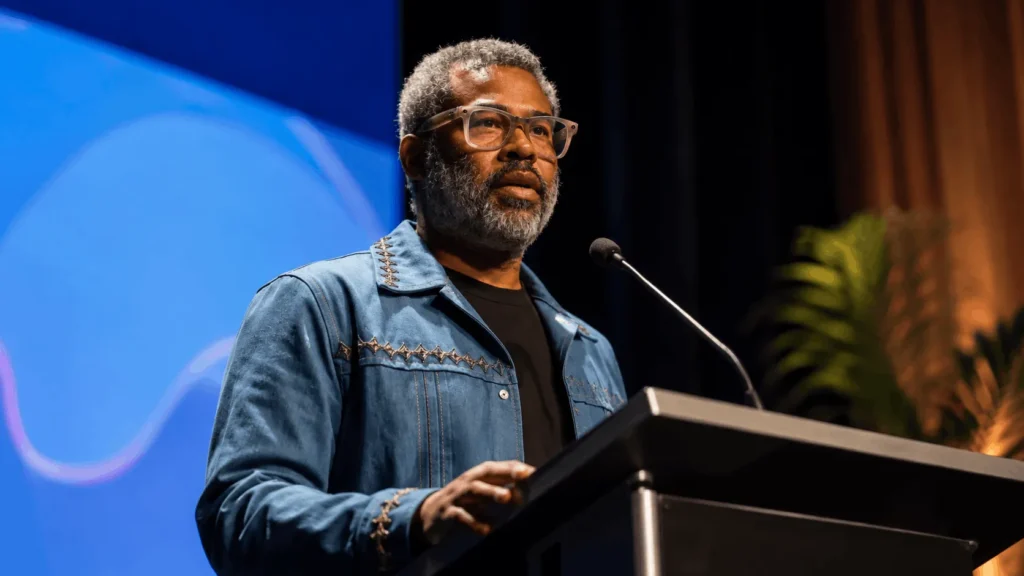
This is the part of Peele’s wealth story that generic net worth roundups tend to skip. His money does not come from acting paychecks alone. It comes from owning a production company with a first-look studio deal, back-end box office participation, and television development revenue running alongside his directing work. That structure is closer to how a studio executive gets paid than how a typical actor does, and it explains why his net worth has held near 50 million dollars for several years even between major film releases. Peele’s $50 million net worth sits well below Tom Cruise’s $600 million, despite both men building wealth through Hollywood ownership structures rather than flat salaries alone.
Income Sources
Peele’s income comes from several overlapping streams rather than one job. Directing and screenwriting fees for his own films are one piece, alongside producer credits and back-end box office points on Monkeypaw-produced projects. His television deal with Universal Studio Group adds development and production revenue outside of film entirely.
Monkeypaw’s producing credits extend well past his own directorial work, covering films like Candyman, Wendell and Wild, Keanu, and Monkey Man, each of which generates producer fees and, in some cases, back-end participation for Peele independent of whether he directed the project himself. He also earns from voice acting roles in animated films, and from his earlier career on Mad TV and Key and Peele, which still generates residual income from syndication and streaming.
Notable Assets
In 2017, Peele and his wife, comedian Chelsea Peretti, paid 2.275 million dollars for a home in the Los Feliz neighborhood of Los Angeles. Beyond that property, most of Peele’s wealth appears tied up in his production company and its ongoing studio deals rather than in publicly documented personal purchases, which tracks with how consistently his public statements focus on future projects over lifestyle spending.
Awards and Recognition
Peele has received an Academy Award and a Primetime Emmy Award among his various accolades. In 2017, he was included on Time’s annual list of the 100 most influential people in the world, a recognition that sits somewhat apart from box office numbers but has real value in how studios negotiate with him. Awards recognition like this tends to translate into leverage during deal talks, since it signals to a studio that a project carries prestige value on top of commercial potential.
Recent Projects and What Comes Next
Peele attended the premiere of Him in September 2025, a Monkeypaw production starring Marlon Wayans. In December 2025, Universal announced that Sam Raimi and Peele would produce together for the first time on an adaptation of the horror short Portrait of God, a project handled through Monkeypaw’s first-look deal with the studio.
Monkeypaw also trimmed three members from its development team in a move described as a refocusing of the company, with insiders noting Peele wants more hands-on involvement in the projects it develops. That kind of operational detail rarely shows up in net worth pages, but it matters for anyone tracking whether Peele’s production income will keep growing or plateau, since a smaller in-house development team usually means fewer projects moving through the pipeline at once.
How Jordan Peele’s Net Worth Compares to Peers
At 50 million dollars, Peele sits below fellow horror-adjacent filmmaker James Wan and well below Jason Blum, whose Blumhouse Productions has a much larger release slate. He is closer in range to his former Mad TV and Key and Peele collaborator Keegan-Michael Key, though Peele’s studio ownership stake through Monkeypaw gives him a different long-term earning structure than Key’s acting-focused career.
Peele’s path also stands out because he reached that figure primarily through four feature films and two production deals, a much smaller output than many comedians-turned-directors with comparable net worth. Some estimates place his wealth higher, closer to 65 million dollars, but the 50 million dollar figure remains the most consistently cited across sources tracking his earnings year over year. Unlike Jason Statham, whose money comes almost entirely from acting fees, Peele’s structure looks more like a studio executive’s backend-heavy model than a typical actor’s paycheck.